Part 2 of 2. Series: Sustainable High Performance.
Sustained high performance isn't a peak you reach. It is an elevation you hold, and keep raising. Much of what holds it is unglamorous: sleep, recovery, relationships that can carry weight, the discernment to spend energy on purpose. Call that the base.
But two leaders can have an equally strong base and still diverge. Same sleep, same support, same discipline. Over a few years, one keeps rising. The other holds altitude for a while, then starts to slip, and can't say why.
The difference usually isn't effort. It's weight.
Every gram costs something
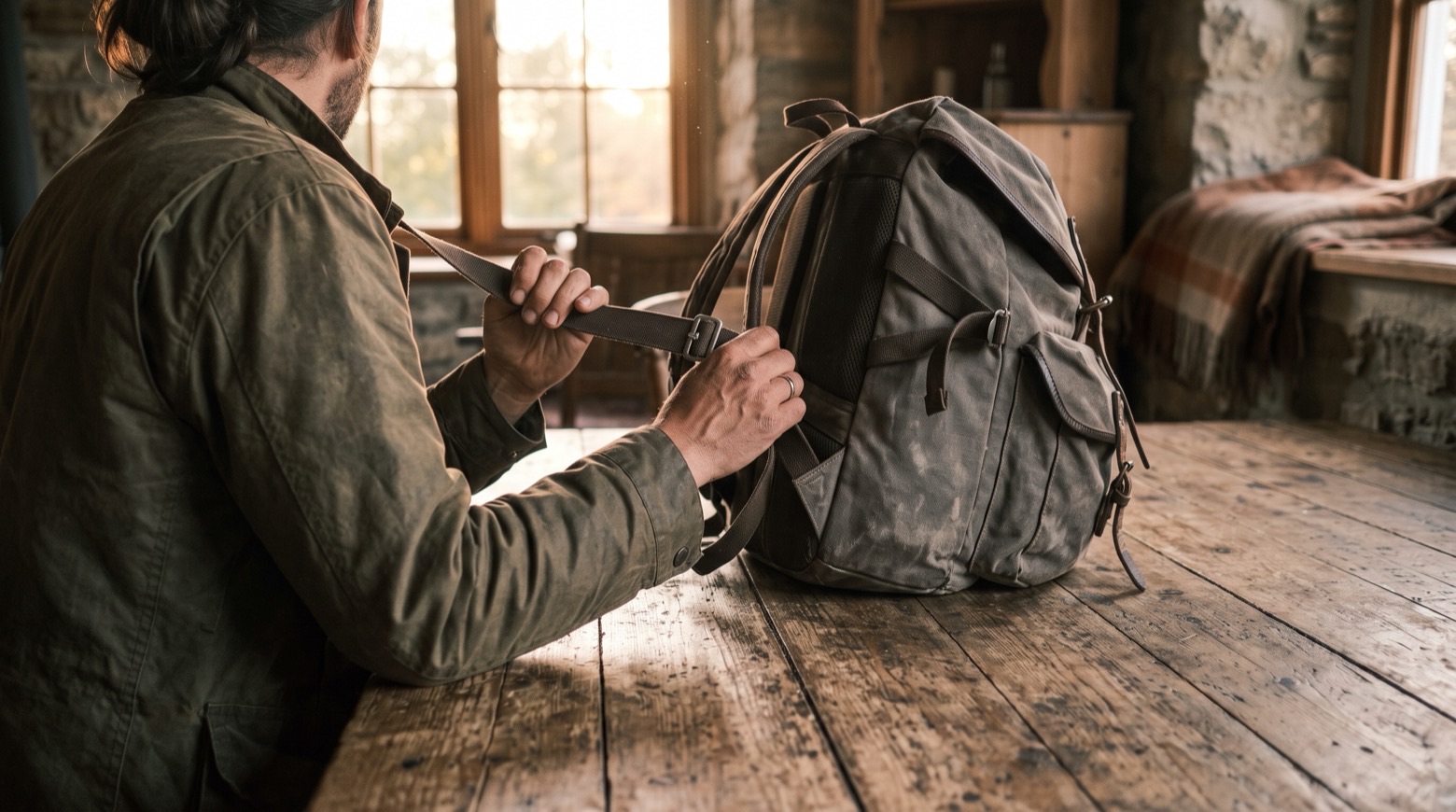
Climbers on the big mountains are obsessive about what goes in the pack. Everything gets weighed. Anything that isn't earning its place stays behind. At altitude, every extra gram is paid for in oxygen, and oxygen is the one thing nobody up there has to spare.
Leaders carry weight too. Some of it is the job. A surprising amount of it isn't.
The weight of performing a role
Part of every leader's energy goes to the work. Part goes to maintaining a performance: monitoring how they are coming across, holding on to what they should have handed off, managing the distance between who they are and who they believe the role requires. That weight is invisible and constant, and it is paid for in the same currency the work needs.
Consider a composite, drawn from more than one leader I have worked with.
A chief revenue officer, two years into the role at a company growing faster than its systems. Her base is solid. She sleeps, she runs, she protects most weekends. By every measure of discipline, she is doing it right. And she is tired in a way sleep doesn't touch.
She is carrying two performances at once. The first is the closer she used to be. She still reviews every major deal personally and joins calls her VPs should be running, because being the one who wins the deal is how she got here. The second is the executive she believes the board expects: polished, certain, never caught without an answer. Neither of them is quite her. Both are expensive.
No new habit shifted it. A question did: what does she want this role to be known for, in her own words? The answer took weeks. When it came, it had nothing to do with closing. It was about building a team that could win without her in the room.
That answer changed what she was willing to put down. Deal reviews moved to her VPs. In board meetings she started saying, "I don't know yet, and here is how we'll find out." Her sleep didn't change. Her energy did. She described it as setting down a pack she had forgotten she was wearing.
Where the extra weight comes from
Most of it traces back to identity. We hold on to what we used to be great at because it is still who we believe we are. We perform what we think the role requires because we haven't yet decided what we want it to be. Taking on too much, refusing to let go, saying yes when the boundary is the right answer: from the outside it looks like commitment. Underneath, it is often fear of who we would be without it.
That is why more discipline rarely fixes it. You cannot out-sleep a weight you are choosing to carry.
What gets lighter
When a leader is clear about what matters to them, why it matters, and who they are in the role and outside it, the distance between the two shrinks. The performance costs less to maintain. Energy that was going to upkeep goes to the work, and reserves that were locked behind the effort of performing become available.
Authenticity usually gets described as a feeling. In practice it behaves more like an energy budget. The less you spend being who you think you should be, the more you have for what you are actually there to do.
Three layers
I've come to see this as three layers. What you are trying to be great at sits on top. The base sits underneath. Between them runs a line where meaning, purpose, and identity live. When that line is clear, the layers inform each other and you can see trouble coming from either direction. When it isn't, a strong base and a demanding role can still leave you climbing someone else's mountain.
So the question is not only what you are standing on. It is why you are climbing, and how much of what you are carrying is actually yours.
The base holds the altitude. The reason raises it.
More in this series